



"The furnishings, the carpets, the style of a home are nothing compared to the importance of the positioning of the light. Lighting costs nothing, but it requires culture."
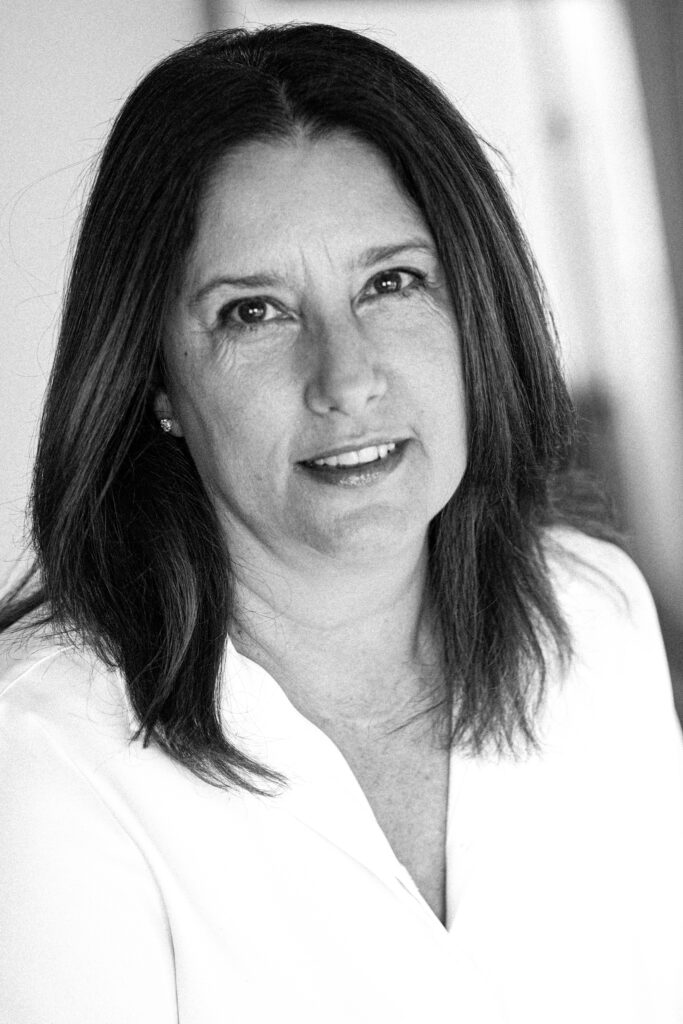
Poul Henningsen was born in Copenhagen on September 9, 1894, to a writer father and an actress mother. He studied at the Frederiksberg Technical School and continued his studies in architecture and civil engineering at the Technical College of Copenhagen, although he never graduated. Initially, he focused on small functional architecture projects, but over the years his professional interests shifted to diverse fields such as poetry, writing, journalism, and lighting, the field that brought him greatest fame.
His strong interest in light and lamp design stems from the pursuit of harmonious, diffused light, similar to natural light, suited to modern living. He has designed over 100 lamps for mass production, conceived to adapt to any environment and, above all, to improve daily life by diffusing and controlling the glare of artificial light.
In 1925, he began a fruitful collaboration with the Danish lamp manufacturer Louis Poulsen, which continued until his death in 1967. The designer's pioneering ideas found expression in luminous objects expertly balanced between shadows, glares and colours, in relation to the needs of man and the environments in which he lives.
Poul Henningsen, PH Artichoke Lamp, 1958, Louis Poulsen.


Originally designed for the Langelinie Pavillion restaurant in Copenhagen, the PH Artichoke lamp is a technical masterpiece instantly recognizable thanks to its adjustable metal layers. Each of the 72 metal leaves amplifies and warms the light, simultaneously hiding the bulb from any angle: the result is a diffused, reflected light, 100% glare-free . The lamp was so successful from the start that it became one of the most widely exported pieces of Danish modern design to Europe in the 60s.
Langelinie Pavillion, Copenhagen, 1958.

The PH family of three-shade lamps, which now includes 30, represents progress both on a technical level – based on scientific analyses of light distribution and reflection curves – and on a social level, contributing to improving the lighting of many people's environments as they are economically accessible to all.
Poul Henningsen, PH 5 classic lamp, 1958, Louis Poulsen.

Poul Henningsen, PH 5 Mini Lamp, 1958, Louis Poulsen.

The various lamps won the favor of great architects, such as Mies van der Rohe , who used them in his projects, as well as the public, becoming classics of contemporary Scandinavian design. Poul Henningsen's work has inspired generations of designers to push the boundaries of form and technology to bring greater humanity to light and interior spaces.
Poul Henningsen, PH 3/2 Lamp, 1958, Louis Poulsen.