

"You can't understand good design without understanding people: design is made for people." Dieter Rams
An impossible-to-open bag, a counterintuitive oven panel, a lid that gets lost: small inconveniences that become the starting point for rethinking design. At the Gallaratese Library, an exhibition, a workshop, and seven prototypes illustrate how frustration can be transformed into a more accessible project.
From September 14th to October 3rd, Milan's Gallaratese Library is hosting a revolt. The protagonists are the objects that infuriate us every day . The ones we pick up without thinking, convinced they'll work as they always do, but which instead, with a certain stubbornness, manage to complicate our lives. How many times have you cursed a can opener that won't open, a drawer that gets stuck, an appliance with instructions that seem to be in another language? That anger isn't just yours. It means something was designed without truly considering its users.
FROM CURSING TO (RE)DESIGN
It is precisely from this awareness that Infuriating Objects was born , a project that places the focus of design not so much on the object itself, but rather on the experience of those who use it. Because behind an impossible-to-open package, a counterintuitive control, or a gesture that requires more force than necessary, there can be something very concrete: a design that hasn't taken into account the diversity of people, their hands, their movements, their habits.
"Tappello" (by Cristina): a plug for the kitchen sink that allows you to empty waste without touching it. Photo © Voice Italia.
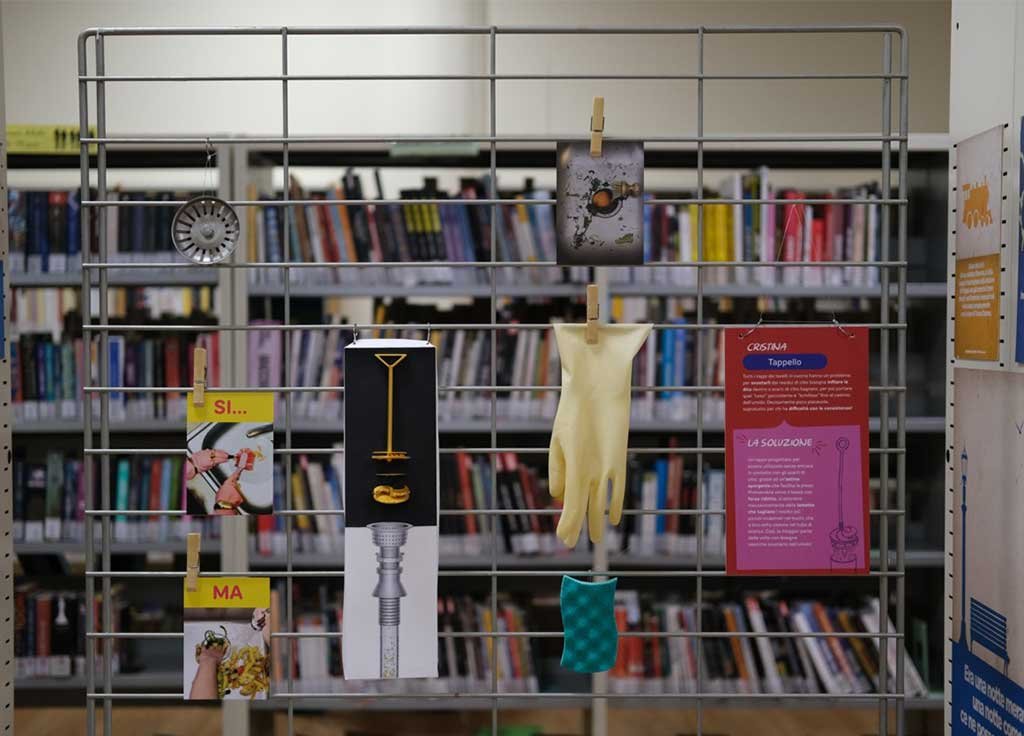
The idea of a standard user, after all, is a simplification that works less and less in real life. Some people have a permanent or temporary difficulty, some have limited hand strength, some have poor eyesight, some need to recognize a command through touch. But also those who simply have their hands full, are tired, or are faced with a gesture that should be simple but isn't. Accessibility, therefore, stops being an issue that concerns only "others" and becomes a matter of good design. Because a better-designed object can make life easier for someone with a specific difficulty, but often ends up being more convenient and intuitive for everyone.
Read also →
Design that Heals – 6 Ideas for Living Happily
7 PROTAGONISTS FOR 7 FRUSTRATING OBJECTS
After an experience developed in the United Kingdom, the project was brought to Milan by Voice Italia (a social enterprise working on healthy longevity), involving seven citizens—Alessandro, Antonio, Alessandra, Cristina, Giulia, Sizhe, and Giancarlo—in a participatory design workshop . Each citizen brought an everyday object that infuriated them, not to complain about it, but to ask themselves how it could have worked better.
These objects were then reinvented with the support of accessibility experts at Google Italy's Accessibility Discovery Center (ADC) and their AI agent, Gemini. The seven ideas were then transformed into 3D models thanks to the students of Scuola Cova, and finally into real prototypes, 3D printed by Google Italy's ADC. In short, frustration became the raw material for design.
“Multiple-Glasses Holder” (by Sizhe): a single, space-saving, travel-friendly case for multiple pairs of glasses. Photo © Voice Italia.
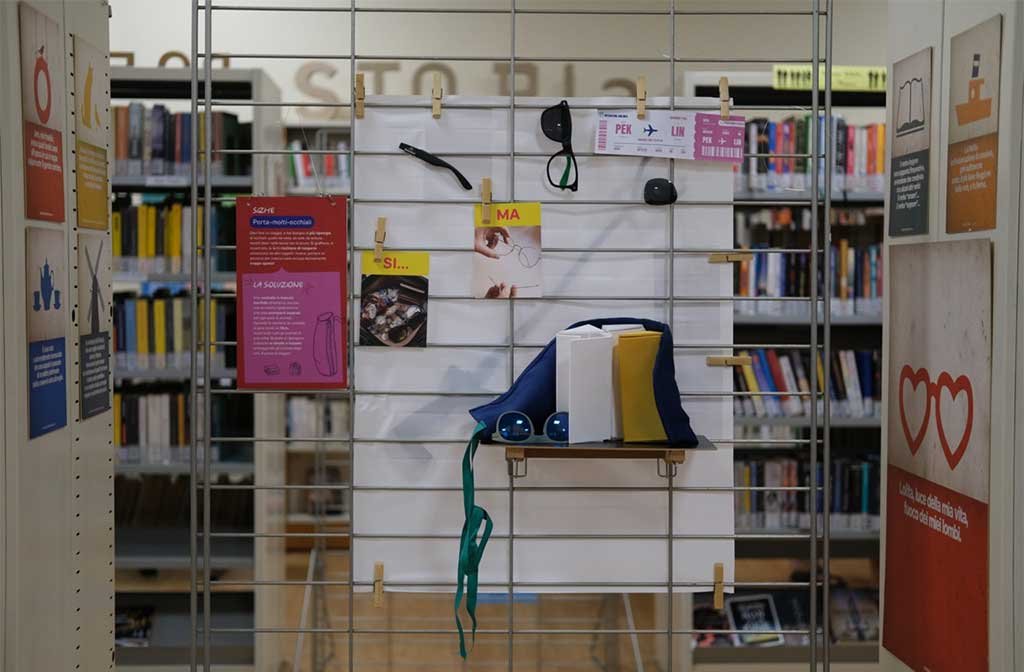
The result is a range of very different solutions, all sharing the same focus on the user. There's a beehive-shaped beeswax wrap roll holder with an integrated cutting system; a biodegradable bag designed to open instantly ; and an oven panel with raised icons , recognizable by touch and designed to last.
"Once upon a time there was film... now there's wax" (by Alessandro): a beehive-shaped roll holder for beeswax film, with an integrated rotating cutting mechanism. Photo © Voice Italia.
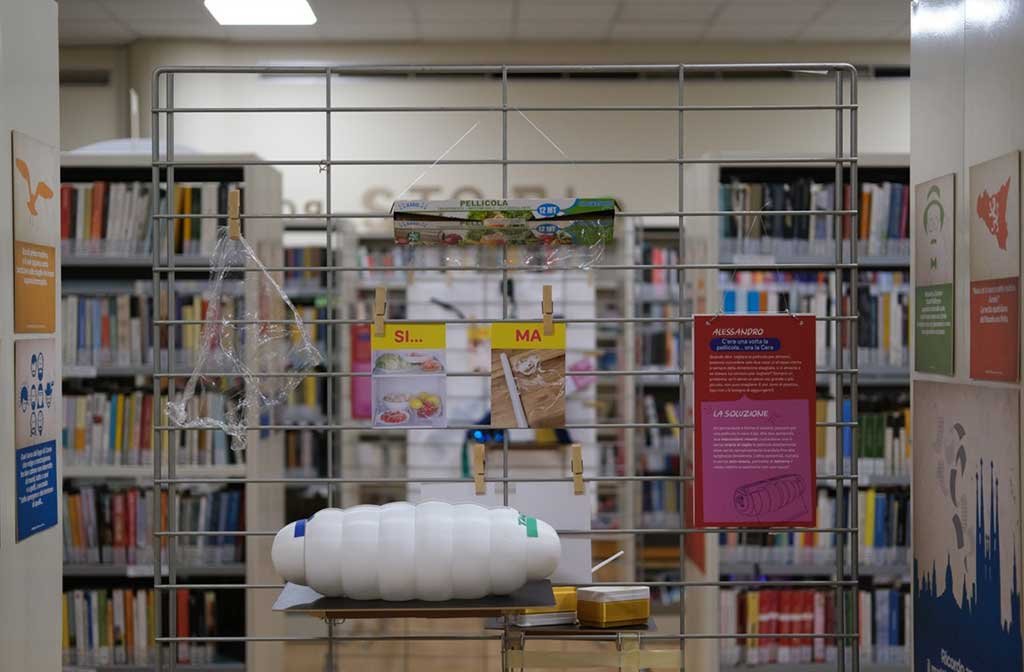
And there's also a sink plug that allows you to remove residue without having to touch it, a lunch box with a lid that won't get lost, a case that can hold multiple pairs of glasses , and a valet with tongs for picking up objects from the floor.
RETURNING TO THE FUNDAMENTAL PRINCIPLE OF DESIGN
Seven small problems, seven design answers. But above all, seven different ways to demonstrate that design should always begin with listening. Not with an abstract idea of perfection, but with the real experience of those who open, close, move, lift, search for, touch, and use an object every day. And this is the most interesting point of Infuriating Objects : a good design shouldn't require us to continually adapt to it, but should adapt to us. To our hands, our movements, our needs, and the changes that occur in life.
The invitation to the opening of the exhibition "Infuriating Objects." Photo © Voice Italia.
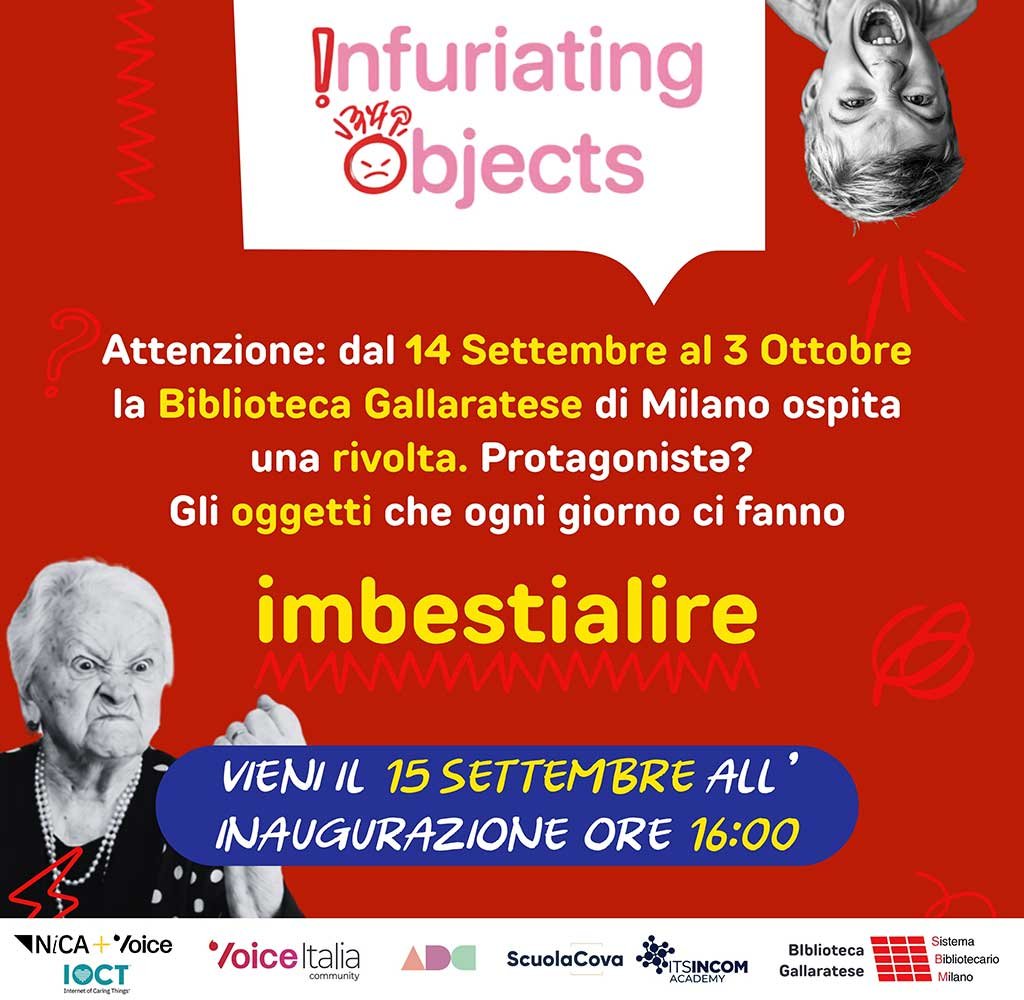
The exhibition is small but powerful , because it invites us to look at even the most common objects with different eyes. What makes us lose patience can become a small warning: it's telling us that something could be rethought. And perhaps that very phrase we utter when faced with a stubborn drawer or an impossible package—"But why did they make it like that?"—could be the beginning of a good idea.
BEYOND THE EXHIBITION, THE WORKSHOP
Infuriating Objects will be open to the public free of charge at the Gallaratese Library, located at Via Giacomo Quarenghi 21 in Milan, from September 14th to October 3rd . But that's not all. On Saturday, October 24th , again in the library, the exhibition will once again directly involve the public with a new participatory workshop . The workshop will take place in two shifts (15-17 pm and 17-19 pm) and will be an opportunity to become involved in the project not just as visitors, but as protagonists (to register, click here: voiceitalia.community ). The invitation is simple: bring your experience of frustration with you and try to transform it into a project that makes everyday tasks easier and makes life easier.
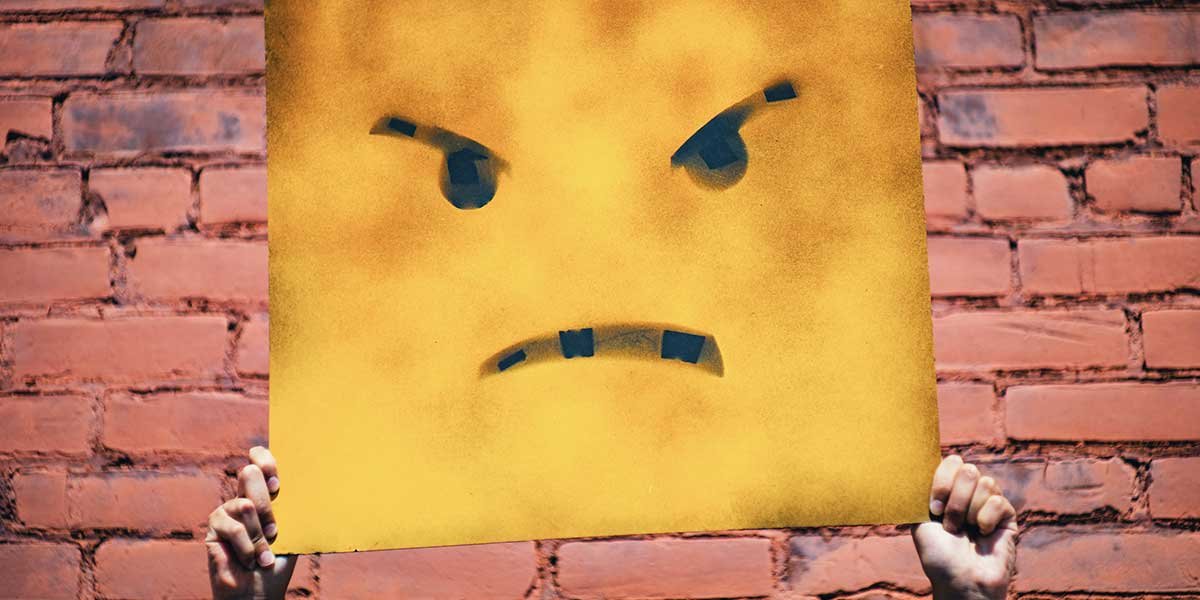
Cover photo © Andre Hunter on Unsplash.